
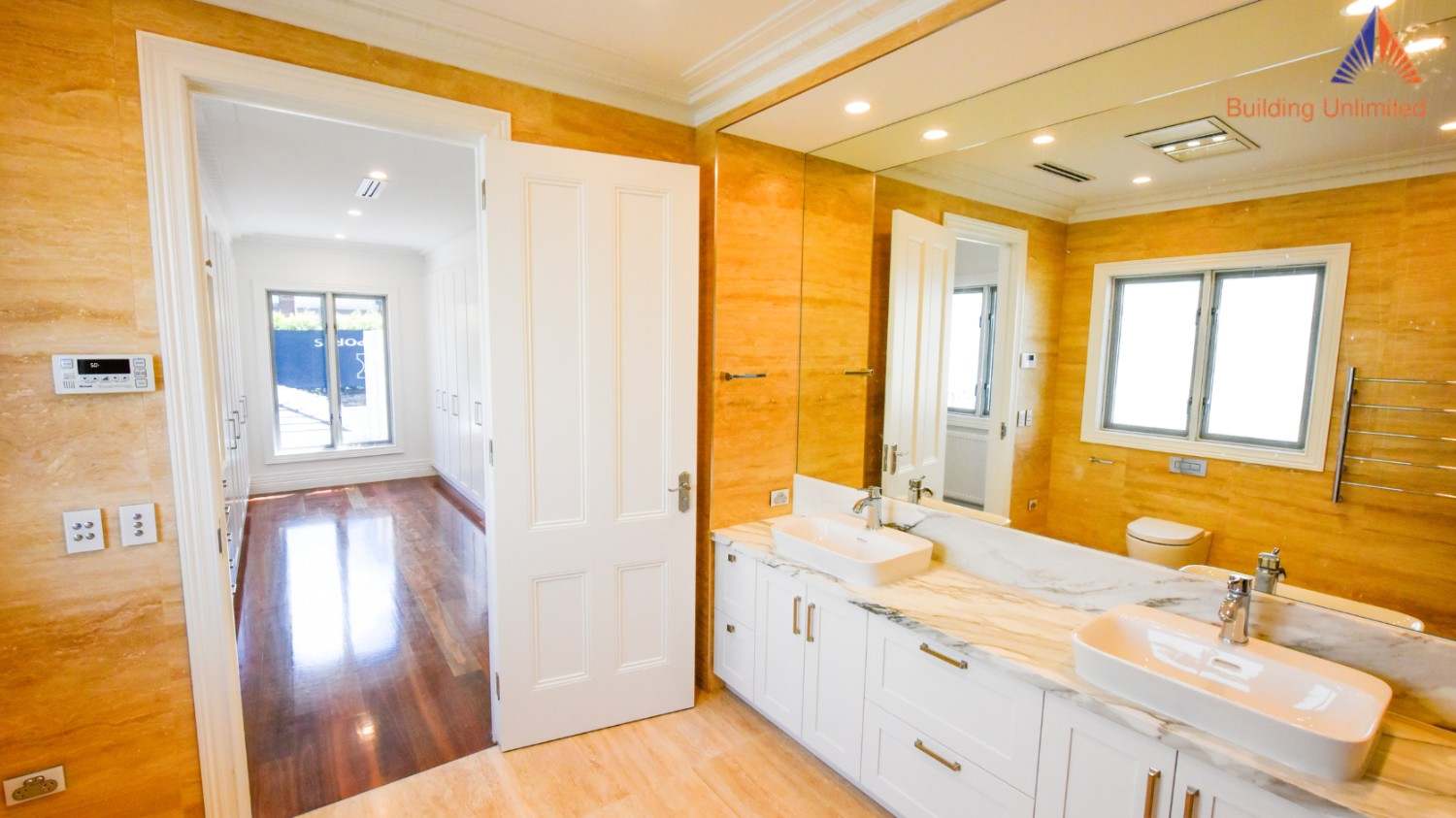
If you have scrolled through bathroom photos lately, you have probably seen those cabinets with neat vertical grooves running across the front. That is a fluted vanity, and it is quickly becoming one of the top picks in luxury bathroom renovations across Australia.
This guide breaks down what makes them so popular, the real benefits they bring, and what to check before you buy one for your own home.
A fluted bathroom vanity has repeated vertical grooves, or ribbed panels, running across the cabinet fronts. This simple detail creates a lovely play of light and shadow that makes the whole piece look far more architectural than a plain flat door. It has become especially popular in coastal modern and minimal luxury homes, giving people a fresh, textured option that still feels calm rather than busy.
What is nice about this style is that it does not rely on bold colour or unusual shapes to stand out. The texture alone does all the work, which is part of why it has held its popularity for a few years running rather than fading as a quick trend.
People love them because they add character without shouting for attention. A flat cabinet does its job, but it does not really add anything special to the room. A fluted one does both.
The linear ridges break up an otherwise flat surface, giving the bathroom a considered, almost handmade feel. It is a small design choice that makes a big visual difference, which is why so many luxury bathroom renovations now lean on fluted cabinetry as a centrepiece rather than an afterthought.
Fluted panels fit beautifully into Japandi interiors, which blend Japanese simplicity with Scandinavian warmth, as well as modern coastal looks that are everywhere in Australian homes right now. Even in older homes being brought up to date, the texture tends to sit comfortably alongside more traditional finishes, which makes it an easier upgrade to introduce than people expect.
Bathrooms are full of cold, flat materials like glass, tile, and stone. A fluted vanity brings in a bit of organic warmth that balances all that hardness out nicely, making the whole room feel a little more inviting rather than clinical.
Fluted cabinets pair well with natural oak tones, brushed brass or matte black tapware, and stone benchtops like quartz or marble. That kind of flexibility makes them an easy fit whether you are planning a full luxury bathroom renovation or just updating one feature in an older bathroom.
Ready to Transform Your Home?
Discover how Building Unlimited can bring your vision to life with tailored home building and renovation solutions. Visit our custom home build & renovation in Melbourne page to explore our services and plan your next project.
Buying a fluted vanity is not just about picking a nice photo online. A few practical details matter just as much as the looks, and skipping them can leave you with a piece that does not actually suit your space.
Proportion really does matter here. Deep, bold fluting can easily overpower a small room, while very shallow grooves can get lost in a larger one.
There are two main styles to choose from, and picking the wrong one can cause headaches later.
Before you commit to either option, check the door swing, toilet clearance, and overall circulation around the vanity. Your designer or builder can confirm that the layout meets applicable Australian requirements.
Bathrooms are wet, humid rooms, so not just any timber will do. Look for fluted bathroom cabinets made from moisture-treated materials such as HDHMR board, marine-grade plywood, or timber sealed with water-resistant polyurethane. Skimping here can lead to swelling, warping, or deterioration over time, no matter how good the vanity looked on installation day.
For most homeowners, yes. It is one of those upgrades that quietly lifts the entire room without needing to change anything else. Even in a modest bathroom, a well-chosen fluted vanity can make the whole space feel more expensive than it actually was to renovate.
That said, working with genuine bathroom renovation experts helps you avoid common mistakes, like choosing grooves that are too deep for a small room or picking a material that will not hold up to daily steam and moisture.
Not necessarily. A fluted vanity can be swapped in as a standalone upgrade if your plumbing and layout already work, which makes it a smart option if you are after affordable home renovations in Melbourne without committing to a full gut renovation. On the other hand, if you are already planning bigger changes, it fits naturally into larger luxury bathroom renovations alongside new tiling, tapware, and lighting.
A fluted bathroom vanity is a simple way to bring texture, warmth, and a bit of quiet luxury into a room that usually feels cold and flat. Whether you are planning a full refresh or a smaller update, getting the size, configuration, and materials right makes all the difference to how it looks and lasts.
Speak with trusted bathroom renovation experts like Building Unlimited to understand both the style and the practical side of getting it installed properly, especially if you want lasting results without blowing your budget on affordable home renovations in Melbourne projects.